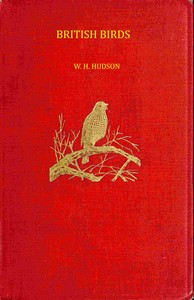
British birds by W. H. Hudson and Frank E. Beddard
The Story
Imagine sitting down with someone who's spent decades with binoculars, scribbling notes, and genuinely laughing when a thrush outwits him. That's Hudson and Beddard. The book isn't just a list of British birds—it's a layered chronicle of their habits, habitat, and sometimes heroic survival. Hudson pioneered the idea of watching birds in the wild, not counting dead specimens. So the 'story' it tells is minutely detailed while being full of tiny human insights. You learn why the cuckoo is a jerk, how swallows (called 'martins' here) can spot good or bad cover from a mile away, and why the robin's fierce defensiveness hides an ancient claim on our gardens. Beddard (the scientist) pulls in the zookeeper side: flight angles, feeding tactics, long vs short distances the species travel. This all weaves into one big but simple plot: here’s the drama of a year, from frantic spring courtship contests to autumn migrations, and how the birds are creatively dodging modern life's landmines (farming, building, poisoning). Hudson saw—even a hundred years before us—that the English landscape was shrinking for wildlife. But he writes it not as tragedy, but daylight detective work: following a redstart, counting ticks, or copying a battle call. That 'mystery' remains unsolved, honestly. It hooks you because you realize each species has a case to crack.
Why You Should Read It
Because, honestly, have you had an actually different thought about birds this week? We ignore them because they're common, but Hudson and Beddard reboot your attention. I started seeing faces on robins—annoyed ones, ones nursing resentment about a peregrine. Their book made me realize birds argue with air. When that rowdy screaming frightens—gone—across the whole council estate, there's strategic strategy behind it. The book's a total anti-uplifter. From its Victorian publication, you get these throwaway lines where Hudson imitates a being tormented up a Scottish mountain side because golden eagle pair won't make up their mind about dinner. It's pure joy mixed with conservation care, like a ghost you have a beer with in a terraced house. He adored domestic urban species versus wood dweller debacles and gave that obsession deep grit. You'll root for each underdog: I nearly cried for the little dumock (hedge sparrow, you’ll learn). If description eats your head rent-free like mine, the action/writing stays lucid.
Final Verdict
Perfect for anyone with a window, a fire escape, or even a local park bench and twenty minutes of curiosity to spare. If you've fallen into nature writing only recently, start here (skip Gilbert White's choirs, save him for month). Birdwatchers approaching obsession will physically not put this down once it’s landed on flight discipline along garden pattering. And if labels get you mad—'real Birder' apps turning lovely late auter–lark moment into taxonomic race times? This washes you cleans.
You are viewing a work that belongs to the global public domain. Share knowledge freely with the world.