
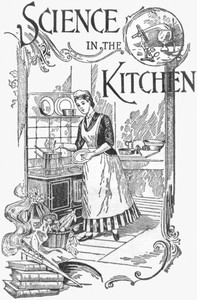
Science in the Kitchen by E. E. Kellogg
Published in 1893, Science in the Kitchen is Ella Ervilla Kellogg's comprehensive guide to what we'd now call 'health-conscious' cooking. Written from the famous Battle Creek Sanitarium in Michigan, it's a systematic breakdown of her culinary philosophy. The book is massive, covering everything from the chemistry of bread-making to proper vegetable cookery, all aimed at promoting digestion and overall health.
The Story
There isn't a traditional plot with characters, but the 'story' is Kellogg's mission. She lays out her case against the standard American diet of the 1890s, which she viewed as wasteful, unhygienic, and harmful. The book is her solution. She walks you through her sanitarium kitchen, explaining why you should bake with whole-grain flour (called 'granola flour'), how to create meat substitutes from nuts, and the 'scientific' way to boil greens to preserve nutrients. It's a step-by-step blueprint for transforming your home cooking from a chore into a precise, health-giving practice.
Why You Should Read It
I picked this up expecting a dry, historical curiosity. I was wrong. Kellogg's voice is clear, confident, and often surprisingly modern. Her passion for clean eating and preventative health feels incredibly relevant. You see the origins of granola, nut-based 'meats,' and the emphasis on whole foods. It's also a fascinating social document. She writes for the home cook, often women with limited budgets, offering practical tips for saving money and improving family health. Reading her detailed instructions for making 'Protose' (a wheat-gluten and peanut-based meat analog) is like watching the birth of the modern veggie burger. It connects our current food trends directly to their historical roots.
Final Verdict
This book is a treasure for food history nerds, vegan and vegetarian cooks curious about their culinary heritage, and anyone who enjoys a slice of unique American history. It's not a book you'll likely cook from directly (some ingredients and methods are truly of their time), but as a read, it's engrossing. You'll gain a whole new appreciation for the long, winding road our ideas about 'healthy food' have traveled. Perfect for readers who love to see where our modern obsessions began, served up with a hefty dose of 19th-century conviction.
This content is free to share and distribute. You do not need permission to reproduce this work.
Richard Garcia
1 month agoRight from the opening paragraph, the logic behind each conclusion is easy to follow and verify. It’s hard to find this much value in a single source these days.
Mason Wright
6 months agoI had low expectations initially, however the content flows smoothly from one chapter to the next. Don't hesitate to start reading.
Matthew Martin
7 months agoThis book was worth my time since the plot twists are genuinely surprising. A valuable addition to my collection.
Mark White
1 year agoI came across this while browsing and it challenges the reader's perspective in an intellectual way. One of the best books I've read this year.


Elizabeth Rodriguez
1 month agoI've been looking for a reliable source on this topic, and the objective evaluation of the pros and cons is very refreshing. I'll be recommending this to my students and colleagues alike.